The keto diet (short for ketogenic) is a very low carb, high- fat and moderate protein diet that turns your body into a fat burning machine.
This involves drastically reducing your carbohydrate intake and replacing it with fat. This reduction in carbs puts your body into a metabolic state called ketosis.
Ketosis causes the body to produce small fuel molecules called ketones, which your body uses as an alternate source of energy when your blood sugar is in short supply. [1]
So, when you eat very few carbs or very few calories, your liver produces ketones from fat. These ketones then serve as a fuel source throughout the body, especially for the brain. [2]
The brain is a hungry organ that consumes lots of energy every day, and it can’t run on fat directly. It can only run on glucose. So on a Keto diet, liver undergoes gluconeogenesis, which means “making new glucose.” In this process, the liver creates glucose for the brain to use. It manufactures the glucose using amino acids, the building blocks of protein. [3]
On a ketogenic diet, your entire body switches its fuel supply to run mostly on fat, becoming incredibly efficient in burning fat for energy. [3]
This is great for weight loss and also numerous other health benefits. [4,5]
Here is a detailed beginner’s guide to the keto diet :
Keto restricts your intake of sugar and starchy foods, like pasta and bread. Instead, you’ll eat delicious real food with selective protein, healthy fats, and vegetables for nutrients.
ACTIVeat Keto Diet plan contains everything you need – what to eat, what to avoid, and exactly how to do it.
Can Keto diet help you lose weight?
Yes, a ketogenic diet can help you lose much more weight than a low-fat diet. This often happens without hunger. [10,11,12]
A keto diet is an eating plan that focuses on foods that provide a lot of healthful fats, adequate amounts of protein, and very few carbohydrates. The goal is to get more calories from fat than from carbs.
The diet works by depleting the body of its sugar reserves. As a result, it will start to break down fat for energy. This results in the production of ketones that the body uses for fuel. When the body burns fats, it can also lead to weight loss.
Several studies show that a ketogenic diet is an effective way to lose weight and lower risk factors for disease. [14,15,16,17,18,19].
It has been proven to be a superior weight loss diet :
Increased protein intake which provides numerous health benefits [20]
Along with using your body fat as an energy source, keto diet can also help : Increase mental focus : Ketones are a great source of fuel for the brain Lower carb intake helps reduce sugar spikes improving focus and concentration Increased Energy & Normalized Hunger : A better and reliable source of energy, making you feel more energized. Fat makes you feel fuller naturally for longer, reducing hunger pangs.
Other health benefits of keto
Besides weight loss, studies have now shown that the diet can have a wide variety of health :
Diabetes : A ketogenic diet can help you lose excess fat and boost insulin sensitivity, which is closely linked to type 2 diabetes, prediabetes and metabolic syndrome. [25, 26]. One study found that the ketogenic diet improved insulin sensitivity by a whopping 75% [27]. Additionally, 95.2% of the ketogenic group were also able to stop or reduce diabetes medication, compared to 62% in the higher-carb group. [28]
Heart disease: The ketogenic diet can improve risk factors like body fat, HDL cholesterol levels, blood pressure and blood sugar [29]
Alzheimer’s disease: The keto diet may reduce symptoms of Alzheimer’s disease and slow its progression [30]
Epilepsy: Research has shown that the ketogenic diet can cause massive reductions in seizures in epileptic children [31]
Polycystic ovary syndrome: The ketogenic diet can help reduce insulin levels, which may play a key role in PCOS. [32]
Acne: High carb and sugary diet almost always causes skin lesions and inflammations to break out on the face. Keto always improves your skin. Lower insulin levels and eating less sugar or processed foods may help improve acne [33]
Please note, that more research is still being conducted in these areas.
What to eat and what to avoid on a keto diet ?
Rule of thumb : To reach ketosis. Avoid eating too many carbs.
Foods to Eat
Here is list of foods you should base most of the meals of the day around :
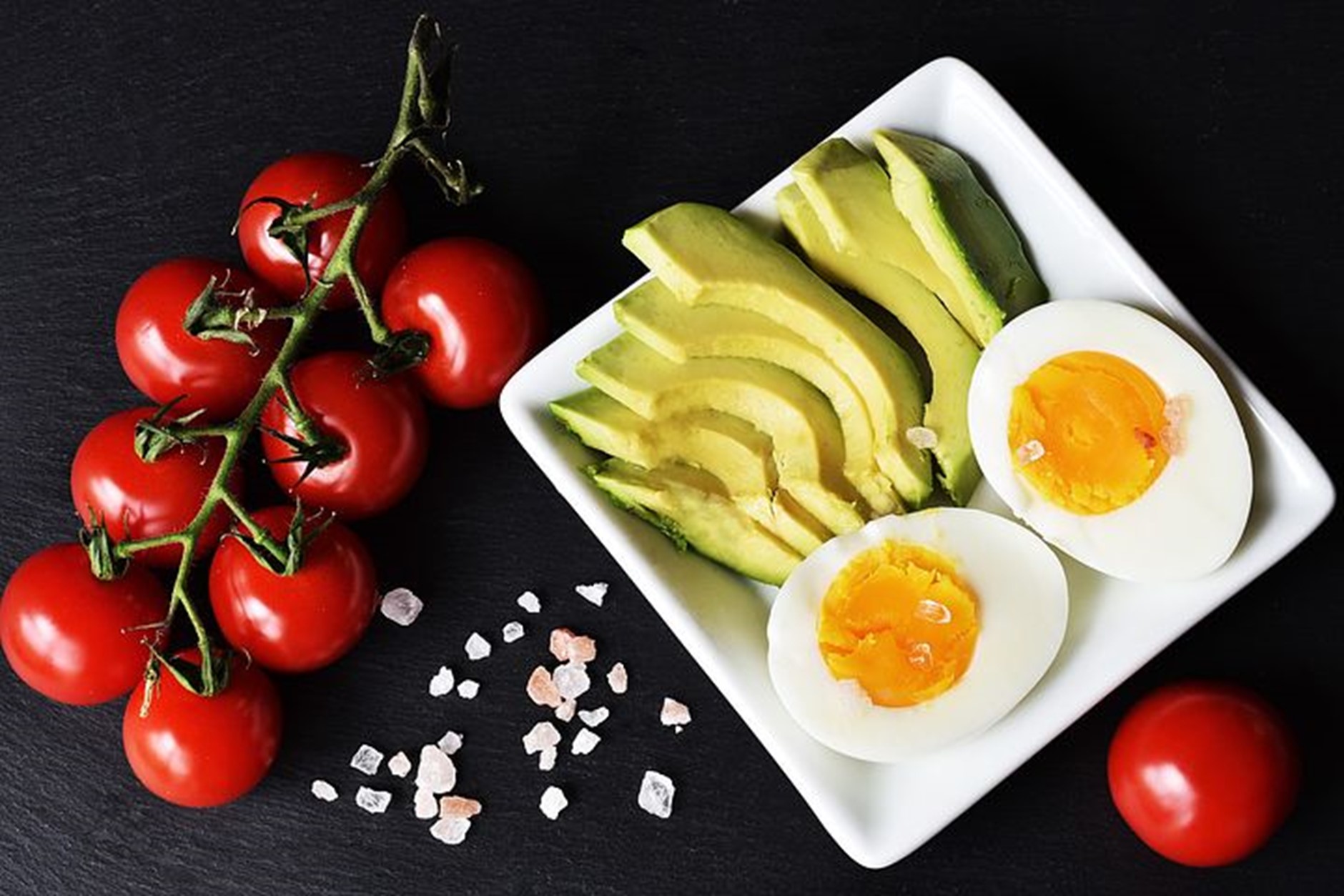
Meats and fish : Chicken, fish, lamb and eggs.
Eggs : Omega-3 whole eggs.
High fat dairy : Butter and cream
Nuts and seeds: Almonds, walnuts, flax seeds, sunflower seeds, pumpkin seeds, chia seeds, etc.
Healthy oils: Extra virgin olive oil and coconut oil
Avocados: Whole avocados or freshly made guacamole.
Low-carb veggies: Spinach, kale, broccoli, cauliflower, tomatoes, onions, peppers, etc.
Sweeteners : Stevia and erythritol
Condiments: You can use salt, pepper and various healthy herbs and spices.
Too complicated? Get fully personalized and curated Keto meals delivered right to your doorstep. Sign up for your ACTIveat keto meal plan!
Here is a list of what you should avoid on a keto diet. Any foods with high carbs, both sugary and starchy kinds should be reduced or eliminated.
High sugar foods: Chocolates, cake, ice cream, candy
Sugar : White sugar, jaggery, honey, agave, maple syrup
Grains : Wheat, corn, rice, pasta, cereal
Fruit: Apples, bananas, oranges, exceptions include small portions of berries
Beans : Peas, kidney beans, lentils, chickpeas, etc.
Root vegetables : Potatoes, sweet potatoes, yams
Products labelled as low fat : These are highly processed and often high in carbs.
Sauces and Jams: These often contain sugar and unhealthy fats like mayo, pasta sauce
Sugar-free diet foods: These are often high in sugar alcohols, which can affect ketone levels in some cases. These foods also tend to be highly processed.
Counting calories and carbs can be helpful at first. But if you stick to our recommended meal plan, you can stay on keto without even counting.
What about drinks ?
Alcohol: Due to their carb content, many alcoholic beverages can throw you out of ketosis. Your liver first metabolizes alcohol first, then ketosis. Ocassional drinks are alright, but we do not recommend regular alcohol consumption as a part of keto diet
Water is the perfect drink
Coffee or tea : Ideally, use no sweeteners, especially sugar and no milk.
Avoid lattes
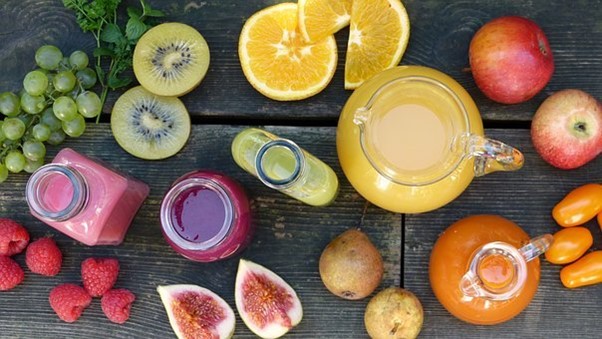
Sodas, fruit juices and smoothies should be avoided as well
Who should NOT be on a keto diet
Although it is considered safe for short term weight loss purposes. Some groups should always be cautious. Please consult your doctor or a medical professional before starting the Keto diet if :
You are diabetic and are on medications like insulin
If you are a heart patient and take medication for high blood pressure
If you are pregnant or are currently breastfeeding
If you have any eating disorders
If you suffer from kidney disease or pancreatitis
Risks and complications of Keto diet
Although the Keto diet has numerous health benefits. Staying on ketogenic diet can have an increased risk of the following health problems :
Fat build up in liver
Vitamin deficiency
Kidney stones
Make sure you consult your medical profession regarding any of these conditions.
Keto flu : These symptoms are especially common at the beginning of the diet as your body adapts to its new energy source. This is usually over within a few days.
These may include :
Constipation
Fatigue : Poor energy and mental function
Low blood sugar
Nausea and Vomiting
Increased hunger and Insomnia
Headaches
Decreased exercise performance
How can you minimize these symptoms ? You can start with a regular low carb diet for the first few days. So your body can adapt to burning fat before you eliminate carbs completely.
Drink lime water with salt and also take vitamin and mineral supplements to balance out the water and mineral changes that you might experience
Avoid too much calorie restriction initially and eat until you’re full. Usually, a ketogenic diet causes weight loss without intentional calorie restriction.
Conclusion
A ketogenic diet is great for weight loss and also for people with diabetes. It also has various other health benefits.
It may not be suitable for certain people with underlying health conditions or elite athletes and those who wish to build large muscles and/or gain weight.
Key Takeaways :
Restrict your carbohydrates and proteins : Try to stay below 25g of total carbs per day. And eat between 0.8 g and 1 g proteins per pound lean body mass Do not starve yourself : Eat enough fat, as it is the primary source of energy on keto. You will not lose weight with calorie restriction on keto. Drink plenty of water : Staying hydrated will reduce hunger and regulate vital body functions. Avoid snacking between meals : Fewer insulin spikes can stabilize the progress. Fasting can be a great tool to boost ketone levels consistently throughout the day Exercise : Get the most out of your keto diet by adding 20-30 minutes of exercise a day. Even just a small walk can help regulate weight loss and blood sugar levels.
Ever since we’ve been hit with the pandemic, there has been a positive change in the mindset of people to opt in for a healthier lifestyle which gives a boost to their immunity. With this trend there has been a rise in healthy products also hitting the market to meet the needs of the consumers.
Soo, are these foods actually healthy? Here’s an overview below
1. ALL THAT “SUGAR FREE” IS NOT GOLD!
Just because a product claims to be “sugar-free” doesn’t really mean it’s GUILT-FREE and one can binge on it. There is actually sugar present in most of them in some other form which is technically not sugar but its a sugar substitute eg. Maltitol, High Fructose Corn Syrup (HFCP), Dextrose, Fructose are the common ones. These products are also packed with calories and one tends to go overboard while consuming it.
2. Trends that make you think products are healthy
Baked-Not Fried, Cholesterol-free, Made with whole wheat, No added sugar, etc.
These are just a choice of words used by a smart marketer to provoke an emotion in us which makes us buy the product. Yes, the product which makes the claims actually true, but, they won’t highlight the attributes they don’t want you to know.
Eg. A Noodle company which claims its noodles are made with whole wheat atta, would not claim the amount of preservatives it has or the fact that the noodles are deep fried to increase its shelf life, on the front of its packaging.
3. GLUTEN-FREE – It has to be healthy!
Gluten has got a bad rep and is now generally synonymous with being unhealthy.
Gluten is nothing but a form of protein delivered from wheat, barley and rye! There is a fair portion of society who have intolerance or sensitivity to gluten which causes bloating and indigestion in them, but it does not affect everyone. Since some BAKERY PRODUCTS and DESSERTS claim to be Gluten-Free, people usually start binging which leads to having a higher caloric intake and leads to weight gain.
Next time, when you’re out shopping at a supermarket or a bakery, be picky and choosy about what you add to your cart. The occasional indulgences are completely fine and actually good for a sustainable lifestyle. Too much of anything is not good, that even includes actual healthy food. Be Smart!
Stay Active Eat Healthy
Pranay
Eating at home and still not losing weight: 5 places where you might be going wrong
Weight loss is not a simple, linear process. And you’re not alone in the never-ending cycle of hard work, lack of results and frustration that follows.
So, you decided to go all in and eat healthy, home cooked meals but the scale isn’t budging? The problem is that eating at home doesn’t automatically mean that you’re eating in deficit, which what you’ll need to be in for weight loss.
So, regardless of whether you’re eating out or at home, you need to be consuming lesser calories than you’re burning.
The good news? while clearly difficult, weight loss is not impossible. It’s important to focus on the small successes (eating more vegetables, walking more).
It can also help to work backward and pinpoint those factors that are standing in your way or causing a plateau when you’re eating home cooked meals.
Become aware of these 5 common roadblocks, and you may once again be on your way to winning at losing.
1. You underestimate portion sizes
As the nutritionist Marion Nestle remarked 10 years ago in her book, What to Eat: “It is human nature to eat when presented with food, and to eat more when presented with more food.”
The problem with portion sizes and home cooked/traditional meals is that no one likes the concept of “less” food. From childhood we have been conditioned to see a tables and plates of large amounts of food. Research shows that people unintentionally consume more calories when faced with larger portions. This can mean significant excess calorie intake, especially when eating high-calorie foods.
An easy way to address this is to use smaller tableware at home. To minimize the temptation of second and third helpings when eating at home, serve the food on individual plates, instead of putting the serving dishes on the table. Keeping the excess food out of reach may discourage overeating.
When eating or snacking in front of the TV, put the amount that you plan to eat into a bowl or container instead of eating straight from the package. It’s easy to overeat when your attention is focused on something else.
Try to be focused and present when you eat, with no distractions, so when your body tells you it is full, you stop.
2. You are not accounting for beverages
A lot of people feel that you need to only control what’s going on your plate, in the process they miss out on all the extra calories that are going into the glass.
But the truth is unhealthy beverages are just as fattening as unhealthy foods. If you don’t pay any mind to your intake of liquid calories, you might find it impossible to manage your diet and meet your weight loss goals.
You might not realize how many calories you consume every time you take a sip of your evening tea or coffee that is laden with sugar or that breakfast orange juice. The average sugar-sweetened soft drink contains roughly 150 calories per serving. Most fruit juices aren’t any healthier either. One cup of orange juice contains about 120 calories. It’s easy to see how quickly calories add up if you consume sugar sweetened drinks.
So, try and focus on consuming zero calorie beverages like black coffee, green tea and water.
3. You are snacking on way too many healthy calorie-dense foods
If you’ve ever looked at the back of a packaged nuts bag label, then you know that large amounts of it are surprisingly high in calories, but that doesn’t mean you should avoid them!
We repeat, just because a food is highly caloric doesn’t make it “bad”. Healthy, whole foods are often the more caloric for good reason: They’re packed with nutrients.
But, since there is a “healthy” labelled attached to it, it’s easy to overeat them. And those extra calories every day, add up and cause a roadblock in the weight loss process.
So, do not stash away your peanut butters and almonds, but make sure that you familiarize yourself with the calorie content of these foods.
Whether you’re working toward a weight loss goal and also want to prioritize healthy calorie-dense foods that can provide you beneficial nutrients, make sure you snack within a daily calorie allowance so you don’t gain weight due to “healthy eating” (a.k.a. their high-calorie nature).
4. You don’t have enough protein in your meals
A typical Indian diet is laden with starchy food that are rich in carbohydrates. The ‘building blocks of life’ protein is not only lacking but practically overlooked ad actual protein sources like dairy products, animal foods and pulses don’t form a part of the regular Indian staple diet.
India’s protein consumption is much lower than the 48 gms/day that is recommended by the Indian Council of Medical Research (ICMR). The recommended dietary allowance of protein for an average Indian adult is 0.8 to 1 gm per kg body weight, however, the average intake is about 0.6 gm per kg body weight. A recent survey across 16 cities in India on perception, knowledge and consumption of protein found a gap in the knowledge of quality protein in daily diets. Various myths surround protein consumption with 85 percent believing it leads to weight gain.
The Indian Market Research Bureau’s 2019 report states that protein deficiency among Indians stands at more than 80 %, measured against the recommended 60g per day. The usual sources of proteins in a regular diet—one cup of lentils, 1 glass of milk, or 1 cup (200 g) of yoghurt—contain 7-8 grams of protein.
To get to the daily requirement of 60 g protein every day, it would be necessary to eat eight bowls of lentils or drink 7-8 glasses of milk.
This seems like an impossible task; hence it is important to add a protein source to every meal to make sure we reach the daily protein requirement and educate ourselves in understanding how proteins play a big part in sustained weight loss.
5. Some foods you are eating are laden with hidden fats
It’s probably no surprise that greasy burgers, French fries, and pizza are loaded with fat.
But did you know that even certain vegetables and healthy fish can have a high fat content?
Keep in mind that fat is an important part of a healthy diet and while not all fat is bad, the fat content of a given meal should be evaluated just as closely as its calories.
So, think of the foods that frequently make up your daily meals. Have you ever considered their fat content? Could hidden fats be lurking in them too?
Here are some foods with hidden fats that you should cut down on or completely avoid if you can.
Mayonnaise: 79 g fat per 100 g regular mayonnaise
What you can do : Replace mayonnaise with low-fat dressing or a drop of soya sauce on salads, and rather use low-fat/fat-free yoghurt or cottage cheese in sauces. Simply don’t add mayonnaise to that chicken or tuna sandwich – make the sandwich more interesting by adding herbs, black pepper and a slice of tomato.
Nuts : 77 g fat per 100 g macadamia nuts
What you can do : Note that nuts should form part of a balanced diet – even though the fat content is quite high, nuts are cholesterol-free and contain good essential fatty acids. But limit your intake of nuts to a handful per week if you’re trying to lose weight. And choose lower-fat varieties, like cashews and peanuts, instead of macadamias.
Coffee creamer : 50 g fat per 100 g coffee creamer
What you can do : Coffee creamer is a definite no-no as it’s loaded with saturated fat. Simply don’t add coffee creamer to your coffee. Rather use low-fat or fat-free milk, or, if you don’t have a fridge, settle for milk powder.
Peanut butter : 50 g fat per 100 g peanut butter
What you can do : Look for the sugar-free variety in your grocery store – while sugar-free peanut butter contains just as much fat, the calories are fewer. Limit your intake of peanut butter to four teaspoons per week.
Cheese : 33 g fat per 100 g cheddar cheese
What you can do : Where you can, settle for low-fat cottage cheese rather than “harder” cheese varieties, like cheddar, Parmesan and Gouda. Cut foods that contain a considerable amount of cheese, like pizza, certain pasta dishes and toasted cheese sandwiches, from your diet.
Avocados : 17 g fat per 100 g avocado
What you can do : The MUFAs in avocados should form part of a balanced diet, but bear in mind that too much avocados could spell trouble for the slimmer. Don’t eat more than one medium-sized avocado per week – and don’t combine the avocado with mayonnaise. Rather use lemon juice to add some flavour.
The bottom line
Weight loss is not always easy and numerous factors can bring it to a standstill.
At the most basic level, not reaching your weight loss goal can occur when calorie intake is equal to or higher than calorie use. So when eating at home, make sure you take into account all the foods that you are consuming.
Try strategies such as mindful eating, controlling your portions, keeping a food diary to account for all the calories, eating more protein, and doing regular exercises.
In the end, changing your weight and your lifestyle requires patience, dedication, perseverance, and resilience. So, keep at it!
Top 7 Stamina Building Foods to Boost Your Immunity
A strong immune system helps a person fight infections and diseases. The immune system consists of organs, cells, tissues, and proteins. Together, these carry out bodily processes that fight off pathogens, which are the viruses, bacteria, and foreign bodies that cause infection or diseases. Incorporating specific foods into the diet may strengthen a person’s immune response. Below are 7 foods that boost the immune system.
1. Almonds
Almonds are loaded with vitamin E and they are a key to a healthy immune system. Apart from vitamin E, almonds also contain healthy fats and other nutrients. Adults usually need around 15 mg of vitamin E in a day, that is half a cup of almonds.
2. Yogurt
Yogurt can also be a great source of Vitamin D which helps regulate the immune system and is thought to boost our body’s natural defences against diseases. It is better to eat plain yogurt rather than flavoured yogurts that are packed with sugar and artificial favours.
3. Spinach
Spinach is packed with numerous antioxidants, beta carotene and vitamin C, which may increase the infection-fighting ability of our immune systems.
Spinach is healthiest when it’s cooked as little as possible so that it retains its nutrients. However, light cooking makes it easier to absorb the vitamin A and allows other nutrients to be released.
4. Ginger
Ginger is just the ingredient that every indian mother turns to when anyone is sick in the house. Ginger may help decrease inflammation, which can help reduce a sore throat and inflammatory diseases. It also helps to decrease chronic pain, lowers cholesterol and helps with nausea.
Ginger when added to any meal or indian curry brings a spicy and tangy flavor that is relished by everyone. It is also a very common addition to tea that helps you fight cold and sore throat.
5. Garlic
Garlic is a very common ingredient that is found in almost all the cuisines in the world. It adds a burst of flavours, a zingy taste and is a must-have for your health. Garlic helps lower the blood pressure, fight infections and also slows down hardening of the arteries. Due to its amazing taste, it is super easy to include garlic to any meal you eat.
6. Citrus Fruits
Vitamin C is an excellent nutrient that helps you build up your immune system. Some of the most popular vitamin C rich fruits are oranges, strawberries, kiwis, lime, lemons etc. With so many varieties of citrus fruits to choose from, it’s easy to add a squeeze of this vitamin to any meal.
Vitamin C is thought to increase the production of white blood cells, which are key to fighting infections. The recommended daily amount of Vitamin C required by a woman is 75 mg whereas men need 90 mg in one day.
7. Bell Peppers
Though citrus fruits are known to have a good portion of vitamin C, there are some vegetables that are no less in the vitamin content. Bell peppers are an excellent source of Vitamin C that helps build your immune system. Red bell peppers in particular contain almost 3 times as much vitamin C that is found in an orange.
Besides boosting your immune system, vitamin C may help you maintain your skin and keep your eyes healthy.
Apart from the above mentioned items there are many other foods that help you fight diseases and infections. Some of them are turmeric, black pepper, green tea, papaya, seeds etc. Eating right is a great start. Pay attention to serving sizes and recommended daily intake so that you don’t get too much of a single vitamin and too little of others.
Activeat helps you achieve your fitness goals through food that is personalized to you, high in quality, and absolutely delicious.
ACTIVeat is Mumbai’s premium online healthy food delivery service. We provide diet food delivery across Mumbai. You can order healthy diet food online with us from the 4 meal plans we offer. We provide FREE delivery across Mumbai. A healthy tiffin can be delivered to your office or your home, wherever you prefer. Just pick a healthy food meal plan that suits your needs and sit back, relax, let us take care of the rest.
⦁ Made fresh, DAILY!
Always fresh, never frozen
⦁ 24/7 Nutritional Support
Nutritional support round the clock at your fingertips
⦁ Hygienic
Daily Sanitisation of kitchen. Temperature checks of staff. Contactless delivery
⦁ Delivery on ALL Days
Meals delivered to you throughout the week
⦁ Daily Changing Menu
30 Day changing menu. No repeat meals
⦁ No Commitments
Pause, skip or cancel your meal plan anytime
Balanced Keto Diet Plan: Healthy Indian Food Recipes
A keto diet is high fat, sufficient protein and low carb diet. The diet forces the body to burn fats rather than carbohydrates. Legumes or beans, potatoes, whole wheat products, sugar or sweeteners, vegetable oils etc. are some of the things that one cannot consume when on a ketogenic diet. This does not mean that there are not enough things to eat when on a keto diet. Following are some good options to include in your meals when following a keto diet:
⦁ Eggs
⦁ Low carb vegetables like cauliflower, french beans, broccoli, mushrooms, bottle gourd, brinjal, zucchini, bell peppers, tomatoes, onions, peppers, etc.
⦁ Green leafy vegetables like spinach and kale
⦁ Butter and Cream: heavy cream, coconut cream. Peanut butter, almond butter are also good options to choose from
⦁ Cheese
⦁ Nuts such as almonds, walnuts and hazelnuts
⦁ Seeds like flax seeds, pumpkin seeds, chia seeds, hemp seeds, etc.
For vegans, following an Indian Keto diet plan may be a little difficult. The food options get further cut down, but there are still some options like
⦁ Soy milk
⦁ Almond milk
⦁ Coconut milk
⦁ Nuts such as almonds, walnuts, peanuts etc.
⦁ Seeds like flax seeds, chia seeds, pumpkin seeds, hemp seeds
From the variety of ingredients mentioned above there are many recipes you can try and experiment when following a keto diet. Here are some keto-friendly Indian food options that you can relish while on low carb high protein diet:
1. Almond Halwa
Almond halwa is a royal Indian Dessert recipe made with almond flour, milk, sugar and lots of ghee. This Indian recipe is gluten-free, keto, and can be made vegan.
Ingredients:
⦁ Almond Flour
⦁ Ghee
⦁ Cardamom
⦁ Full-fat dairy milk. Almond milk or coconut milk if you are vegan
⦁ Stevia or any other keto sweetener
⦁ Saffron
⦁ Nuts
Procedure:
⦁ Soak a few strands of Saffron in 2 tablespoons of warm milk
⦁ Add 2 tablespoons of ghee in a kadhai
⦁ Add the almond flour and sauté for 2 minutes till the raw smell of the almond flour disappears. Make sure that you stir the mixture continuously
⦁ Next add the milk, saffron milk, sugar and mix well to make sure no lumps are formed. Stir continuously for 5 minutes
⦁ Add the remaining ghee, cardamom powder, and cook till the halwa thickens.
⦁ It takes around 8-10 minutes for the halwa to reduce and become consistent.
⦁ Garnish it with nuts and serve hot/ warm.
2. Tofu Bhurji
Tofu Bhurji is a vegan, gluten-free, and keto-friendly dish that tastes very similar to the Indian paneer bhurji. This recipe is a great food option for breakfast, lunch or dinner and is super easy and quick to prepare.
Ingredients
⦁ 1 tablespoon oil
⦁ ½ teaspoon jeera
⦁ 1 teaspoon ginger grated
⦁ 2 green chillies finely chopped
⦁ 1 medium onion finely chopped
⦁ 1 medium tomato finely chopped
⦁ ½ medium green bell pepper diced
⦁ ½ teaspoon turmeric powder
⦁ ¼ teaspoon red chilli powder
⦁ ½ teaspoon garam masala powder
⦁ 1 cup extra firm tofu (200 grams)
⦁ salt to taste
⦁ 1 teaspoon lemon juice
Procedure
⦁ Crumble the tofu gently and keep aside
⦁ Heat the oil in a pan. Add the jeera, ginger and green chillies and fry for a minute.
⦁ Add the onions and sauté till they are soft and transparent.
⦁ Next add the finely chopped tomatoes and green bell pepper and cook for 2-3 minutes till the tomatoes are soft and mushy.
⦁ Add turmeric powder, red chili powder, salt and garam masala and mix well.
⦁ Then add the crumbled tofu, mix well and cook covered on medium low heat for 1-2 minutes.
⦁ Finally add lime juice and switch off the flame. Tofu bhurji is ready and can be served with roti or used as stuffing for sandwiches.
3. Keto Dosa
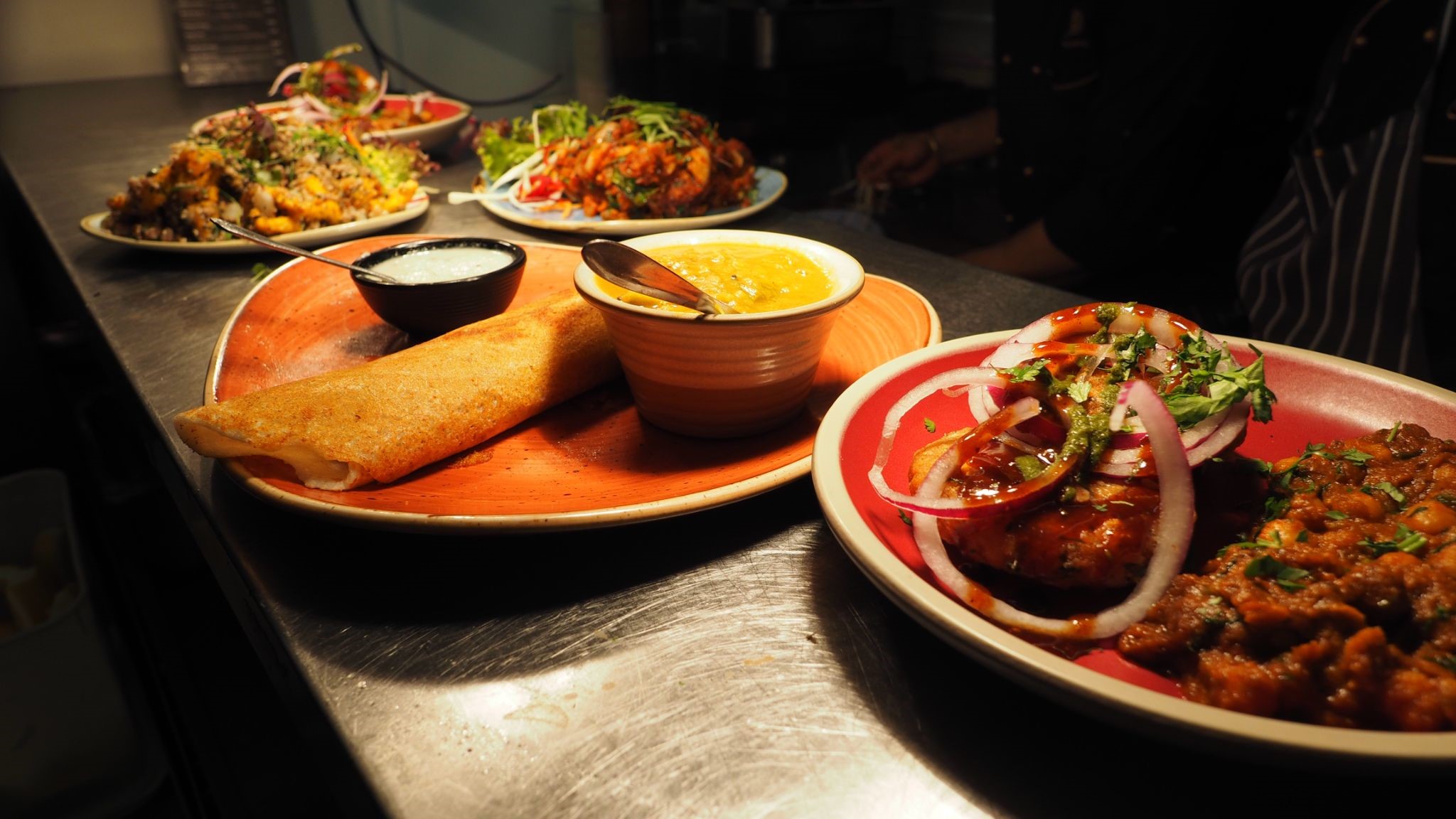
Dosa is a South Indian dish made from rice. Since the rice dosa is high in carbohydrates, thus it cannot be a part of the keto diet. Here is the ketogenic version of the popular south indian dish made from almond flour and coconut milk
Ingredients
⦁ ½ cup almond flour
⦁ ½ cup shredded mozzarella
⦁ ½ cup thick coconut milk
⦁ Salt to taste
⦁ a pinch jeera powder
⦁ A pinch of hing powder
⦁ 1 tablespoon coconut oil
Procedure
⦁ Mix all the ingredients except the coconut oil in a bowl and make an even and pouring consistency batter.
⦁ Let the batter rest for at least 10-15 minutes.
⦁ Adjust with warm water if the batter is too thick to form the batter.
⦁ Grease a non-stick dosa pan with coconut oil. Pour the batter and spread evenly in a circular shape.
⦁ Drizzle some oil and allow to cook on medium low heat until red or golden and the sides begin to lift a bit from the pan.
⦁ Fold over and serve with the keto coconut chutney.
5 Indian Dishes That Are Surprisingly Healthy
Indian food is extremely popular but also misunderstood for being very oily, spicy, and unhealthy. The truth is, most of the Indian dishes are cooked with spices that are beneficial in multiple ways. These spices add extremely rich flavors and aroma to the food making it extremely delicious and healthy also. Indian food includes carbohydrates, proteins, fats, and other minerals, making it a balanced diet.
1. Bhindi ki Sabji
This simple vegetable curry is made in every Indian household and tastes great with hot rotis or parathas. Tossed in oil and mixed with different spices, 50 grams of this popular sabzi consists of approximately 80 calories and 5 grams of protein.
2. Paneer Bhurji
Vegetarians are always worried about completing their protein requirements. Paneer is one of the best ways to fulfill this. Enjoy his protein-rich savory with roti or multigrain paratha and this combination will keep you full for a longer period of time. You can also add your choice of vegetables and spices to enhance the flavor of this dish and make it more nutritious.
3. Masala Omelette
One egg contains a minimum of 6 grams of protein, therefore, they are a great start to completing your protein requirement for the day. Top this protein-rich omelet with your choice of veggies and give a break to our monotonous taste buds. Chopped capsicum, tomatoes, onion, and carrots not only add a burst of flavors to this dish but also fills the requirement of vitamins and minerals.
4. Idli Sambhar
Idli Sambhar has the perfect combination of carbs, proteins, fats, fiber, and vitamins & minerals. This dish originates from south India and is extremely light. It is the perfect option for any of our meals, be it lunch, dinner, breakfast, or just snacks. This dish is traditionally made from rice flour and contains around 40 calories (per piece).
5. Chana dal/ Moong dal cheela
Lentils also called daal in Hindi, are a major source of protein for the vegetarian or vegan population of India. Cheela is one of the most popular Indian breakfast options, which is low in fat and high in nutrients. One chana dal cheela contains approximately 200 calories. Team this up with ketchup and green coriander chutney and enjoy this healthy and tasty snack.
Traditional Indian Meals that are healthy
In a world of Maggie Noodles, polished rice, refined flours, etc. We as Indians still prefer eating our favorite home-cooked food and will never get bored of it. Maa and dadi/nani ke haath ka khaana will always be bae!
Our parents and grandparents have been using these foods for ages and it’s quite diverse, has a lot of benefits such as being anti-inflammatory, aiding good health, reducing inflammation and so on. I’ll list down some common ones which a part of most Indian households
1. Cereal Grains –
Carbs, essentially our powerhouse for energy. Grains and cereals like brown rice, maize, oats, wheat, barley, rye, sorghum provide us with complex carbs which slowly release in our body without spiking insulin levels and satiates us enough which helps reduce those sugar cravings.
2. Pickles –
Are a great source of probiotics when made with the right ingredients and adds that extra bit of zing to our meals.
3. Yogurt/Dahi –
A common side/accompaniment and a part of most major meals, yoghurt is another great source of probiotics and is great for maintain a good gut health.
4. Ghee –
One of the most underrated fat sources. Ghee provides our body with healthy fats which boost the immune system, have anti-inflammatory properties, relieve constipation, great for our bone movements, etc.
5. Dals and Pulses –
Again a good source of proteins especially for vegetarians. Dals and pulses also promote good skin health and prevent acne.
6. Green Veggie Sabzis –
Along with dal, rice, roti and dahi, our meal is not complete without a sabzi. Ranging from a variety of veggies like bhindi, doodhi, gobi, gowar, mushrooms and countless others, these sabzis provide us with main fibers for good bowel movement and our daily intake of vitamins and minerals.
7. Spices –
Lastly, our meals are not boring and bland like the western countries. We as Indians absolutely love our spices and no Indian meal is complete without them. Spices like Haldi (Turmeric), Elichi (cardamom), Kalimirch (Pepper), Dalchini (cinnamon), Lovang (Clove), etc. have innumerous health benefits and medicinal properties too.
Combine the above foods and Voila! You got yourself a healthy traditional Indian Meal!
Why South Indian food ranks high on the health meter!!!
Kick start your day with some steamed idlis, dosa’s, uttapa’s, or appams spruced up with coconut chutney and a bowl of piping hot sambar – simple, healthy and timeless.
One of the main secrets to this being a healthy food option is the process of fermentation.
Fermented food items have three really great advantages over other food items.
Digestion & Absorption
As some of the sugars and starches in the food have been broken down through the process, fermented foods are easier to digest
Your body thus needs less energy to break down the food making you feel light and not heavy and uncomfortable for hours.
Synthesis and availability of nutrients
Fermentation can also increase the availability of vitamins and minerals for our bodies to absorb. Additionally, by boosting the beneficial bacteria in your gut, you are promoting their ability to manufacture B vitamins and synthesize vitamin K.
Boosts immune system and increases gut health
A large proportion of the immune system is housed in the gut. By consuming probiotic-rich foods, you are supporting the mucosa (gut lining) that acts as a natural barrier, making the immune system more robust. A lack of beneficial bacteria allows disease-causing microbes to grow to cause inflammation in the gut wall. If you have recently taken a course of antibiotics, probiotic foods are particularly helpful. Regular consumption of South Indian food improves your overall gut health.
Fermentation is not the only key ingredient in South Indian cuisine. Fermented food cooked in coconut oil is the real game-changer. Over the past few years, we have seen the increased use of coconut oil in cooking as opposed to the regular refined oil. However in South India, since they have a bountiful supply of fresh coconut, coconut oil is the main oil that is being used to make anything and everything!
Sambar also is made of pulses high in vegetarian protein. Traditional sambar preparations have veggies like drumsticks, pumpkin, brinjal, okra, tomatoes, and various other fiber-rich seasonal vegetables. Fiber takes the longest to digest. High-fiber foods are also good for the heart and cholesterol. The tamarind extract, turmeric, curry leaves, red pepper, and mustard seeds have a number of health benefits, ranging from good digestion, weight loss, and high immunity.
Now you can confidently indulge in some South Indian delicacies as they are not only tasty but extremely healthy!
5 Indian meals that are heart-healthy and should be a part of your diet
Let’s be honest, Indian food is so delicious! Especially the unhealthy kind. The first words that come to mind are hot, spicy, oily, rich, and fatty. That means Indian meals can be high in refined carbohydrates, unhealthy fats, milk, sugary drinks and desserts, and tons of salt.
Eating these foods regularly for a prolonged period can increase heart disease risk factors like high blood pressure, blood sugar, triglycerides and cholesterol, and cause excess fat around your waist. This can increase your risk of heart disease.
Everyone tells you that a healthy lifestyle, exercise, and diet are keys to combating heart diseases, but what they fail to mention is how you need to modify your diet to achieve it.
The good news is, that there are tons of healthy Indian dishes that you can incorporate in your meal plans and give a healthy twist to your favorite ones by smart cooking methods, using minimal fat, and using a lot of whole grains and green leafy vegetables!
A lot of Indian dishes contain a plethora of healthy spices, carbs, proteins, fats – a full balanced diet!
A healthy diet rich in vitamins, minerals, proteins, fiber, and fats can help you keep your heart healthy. So, to help you eat healthily and wisely incorporate these 5 Indian meals as a part of your diet.
Idli
This South Indian staple makes for an excellent breakfast. You can enjoy it with sambhar and chutney. You can make it healthier by adding in ragi or oats flour as traditional idlis are made using rice flour. 1 idli contains 40 calories.
Cheela
The besan cheela is a very convenient and easy-to-make dish that does not require any soaking or grinding. You can just mix in some readily available spice powders, besan, and vegetables, cook in less oil till it’s golden brown.
One besan cheela has 236 calories. The besan has more good fats as compared to wheat flour and higher protein content. Complex carbohydrates and a low glycemic index make it a heart-healthy choice.
You can also use moong dal or chana dal to make it. Prepare it in light oil, serve with green chutney and enjoy!
Baigan ka bharta
This north Indian fan favorite is a delicious mix of skinned and roasted brinjals mixed with mustard oil, chopped garlic, onions, tomatoes, and some Indian spices.
Serving size of 100 gms consists of approximately 102 calories and 5gms fat. You can enjoy it with plain rotis.
Baigan ka bharta is another great heart-healthy addition to your meals, as brinjals have a low GI and are a great source of fiber, folate and prevent blood glucose from shooting up.
Tandoori chicken
A never-to-miss dish for non-vegetarians. Homemade tandoori chicken that is marinated in yogurt and seasoned in tandoori masala, and a combination of various spices is also a heart-healthy dish.
One entire leg piece includes approximately 260 calories, 13.0gms fat, 5.0gms carbohydrates, and 30.5gms protein.
Chaas or Spiced Buttermilk
Buttermilk does not contain any butter. Buttermilk consists of mostly water, milk sugar lactose, and milk protein casein; it is low in fat. Contains approximately 100 calories and 2gms fat per cup.
It has been pasteurized and homogenized, the lactic acid increases the acidity of the buttermilk gives buttermilk its slightly sour taste.
One serving of buttermilk is a good source of several nutrients, including protein, calcium, and riboflavin.
So, add these simple and easy-to-make Indian dishes as a part of your heart-healthy meal plans. Ensure that you cut out refined sugars and junk food from your diet and consume salt and oil in moderation.
Before making any major changes in your diet, it is advised to talk to your dietician to get a customized diet plan based on your diet pattern, health condition, and risk factors.
Please consult your physician in case you take any medications before making a change in your eating patterns.
A low-carb diet can be extremely helpful to shed those extra kilos and get back in shape. It is also quite healthy to keep your carb intake in check to reduce the risk of insulin resistance and diabetes. In a low-carb diet, you are expected to eliminate certain foods, you end up overeating what you are allowed to eat.
Apart from this, there are several other things you end up doing unintentionally that you shouldn’t when on a low-carb diet.
Here’s a list of top 5 mistakes people end up doing when on a low carb diet :
Low-carb doesn’t mean no-carb
Though the sentence seems quite self-explanatory when you start a low-carb diet, you don’t need to completely cut down your carbs. You need to ensure that your body is getting an adequate amount of macronutrients like proteins, fats, and carbs. Eating too few carbs will lead you to a carb crash and that might be worse for your body than any good. This might also make you believe that the low-carb diet is not for you.
Overeating “Allowed” foods
Going low-carb doesn’t give you a license to eat as much food that you are allowed to eat. When u follow a low-carb diet, u will have to cut down on milk that has approximately 11 to 12 grams of carbohydrates per cup. But to compensate for a fair share of macronutrients like calcium and protein you’ll have to shift to meat and cheese. Overeating meat and cheese has its own health risks and may lead to weight gain, as these foods contain a lot of calories. Thus let appetite be your guide and eat when you are hungry and stop when you are comfortably satisfied.
Skipping Exercise
Once you start eating a low-carb diet, the loss of weight (and water weight) might make you feel as though exercise is not necessary. But to achieve the results you wished for, and maintain them long term, you’ll need to get active rather than just dieting and no workout. You don’t necessarily have to do a harsh workout, but something as simple as a long walk after dinner would work along with a low-carb diet.
Relying on packaged foods
Products such as low-carb ice cream, meal replacement bars, and other packaged foods marketed as low-carb or sugar-free need close scrutiny before eating blindly. Packaged foods contain a lot of preservatives which lead to side effects and do no good to your body.
Forgetting fiber-rich food
Eating fiber-rich food is extremely important in whichever diet you are following. And the best source of fiber is enough vegetables and fruits. Fiber-rich foods prevent gas and intestinal disturbances, such as bloating and constipation. Some of the high fiber foods can be flax seeds, chia seeds, low-carb bran cereals, etc.
Conclusion:
A low-carb diet can do wonders for your body and can help you achieve your health goals only if followed properly. We end up making small mistakes unintentionally and then end up not so satisfied. Make sure to not make these mistakes and achieve your goals.
About Activeat
We are Mumbai’s premium online healthy meal delivery service.
We at ACTIVeat are Foodies, Chefs, and Dietitians who are committed to providing you nutritious and delicious meals at your convenience.
Want more Food for Thought?
Follow us on Social Media
An average Indian consumes almost 10.98 grams of salt per day, which is a whopping 119% more than the recommended limit of 5 grams a day by WHO (Journal of Hypertension).
Although sodium is an essential nutrient required for optimal functioning of nerves, fluid balance, and strong muscles, excess salt intake has been linked to increased risk of high blood pressure, a leading cause of heart disease and stroke (WHO)
Sodium occurs naturally in a lot of healthy foods like chicken and dairy products. And while salt is something unavoidable in regular meals, it’s possible Indians are consuming more than we need.
Why Us?
Popular snack brands like PepsiCo, Domino’s, ITC, Patanjali, Hindustan Unilever, Nestle, McDonald’s, Subway, and Burger King sell products with salt contents much higher than the threshold set by the country’s food regulator, the Food Safety and Standards Authority of India (FSSAI).
And people who eat these processed and packaged foods in urban areas and salted pickles in rural India might invariably end up eating unhealthy amounts of salt.
More than half of the dietary salt consumed comes from hidden sources such as processed foods, be it bread, processed meats (cold cuts and sausages), cheese, biscuits, cookies, cakes, and packaged munches like chips, crisps, and savory mixes.
Here are 7 sneaky signs you might be consuming excessive salt in your diet regularly.
SIGN 1: You are constantly bloated
Sodium is essential for maintaining fluid balance, too much salt can cause water retention (John Hopkins Study, 2019)
You might have swollen ankles or fingers in the morning, which could be due to excessive fluid build-up (edema) due to high salt consumption.
Additionally, high sodium diets include processed and packaged foods that are lower in fiber-rich foods and whole grains.
SIGN 2: You are constipated
Too much salt in your diet can cause the water in your intestine to move to other body parts to achieve fluid balance. And the foods that are usually high in salts are processed and may contain high amounts of fats and refined sugar which can also contribute to constipation.
Hydrating foods like fruits and fiber-rich vegetables can give you healthy bowel movements.
SIGN 3: Headaches keep happening
Sodium is required for fluid balance and a high intake of salt can lead to fluid imbalance. Dehydration can lead to headaches and if you are drinking enough water, your sodium intake could be putting your fluid balance out of whack and giving you frequent headaches.
SIGN 4: You want to drink water all the time
If you consume a lot of sodium, your body is going to signal that it needs more water to help balance things out. Excess sodium in the blood, caused by not drinking enough water on a regular basis, has made you dehydrated and makes you feel thirsty.
Sign 5: You feel like urinating a lot
Frequent urination is a crucial sign that you are consuming too much salt. You might feel an urgent need to wake up in the middle of the night to urinate. However, please ensure that you contact your physician regarding this symptom as it also occurs in other health conditions.
SIGN 6: You have high blood pressure
We all know that excess salt intake is linked to high BP. As sodium can pull excess fluid into the bloodstream to prevent imbalance and also cause damage to vessel linings in the long run, which can, in turn, lead to more heart complications.
So, it’s essential if you have elevated blood pressure already to step up your fiber game, reduce salt intake and eat lots of fruits and veggies.
SIGN 7: You crave more salty food
Regular food is boring and bland and you feel the need to add more salt to it? It could be because excess salt consumption has got your taste buds to adapt to the saltiness, so you also feel like eating more peanuts, chips, and other snacks.
So what’s the solution?
Add more fiber-rich foods like fruits and vegetables and whole grains into your diet, increase daily water consumption, check nutrition labels, and cut down on processed and packaged foods!
Please note: This is general information about excess salt consumption. Always consult your doctor and nutritionist before making any major dietary changes.
About Activeat
We are Mumbai’s premium online healthy meal delivery service.
We at ACTIVeat are Foodies, Chefs, and Dietitians who are committed to providing you nutritious and delicious meals at your convenience.
Want more Food for Thought?
Follow us on Social Media